What are the Stages in the Sales Pipeline? A Complete Guide
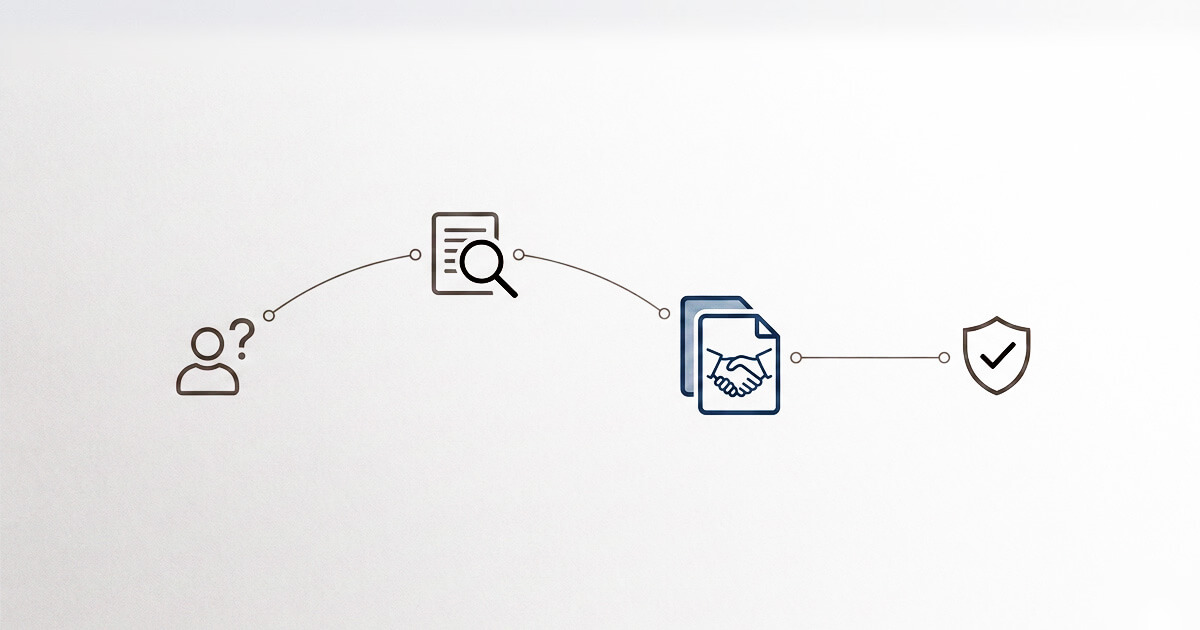
What are the stages in the sales pipeline?
If you’re asking that, you’re probably trying to make sense of where your deals stand and why some move while others don’t. A significant source of sales stress often stems from uncertainty about what should happen next.
This article breaks the sales pipeline into simple steps you can actually use.
Read on to get a clearer view of how deals really move through the various stages in the sales pipeline.
What are the Various Stages of a Sales Funnel?
If you’ve ever wondered why B2B deals feel like marathons instead of sprints, it’s because leads move through several quiet but important steps.
These sales funnel stages show you what’s going on in their mind as they move from “Who are you?” to “Let’s work together.”
- Awareness: This is when someone stumbles across your product.
- Interest: They explore what you offer and see if it’s relevant.
- Consideration: They compare your offer with that of competitors and ask deeper questions.
- Decision: Proposals, pricing talks, and internal approvals happen here.
- Retention: After the deal, you work to keep them happy.
Understanding the sales funnel stages helps you understand the stages in the sales pipeline. But before we get to that, let’s understand how the two differ.
What is the Difference Between a Sales Pipeline and a Sales Funnel?
The sales funnel and the sales pipeline are two useful tools that work together.
The funnel tells you how many people know about your product and how they move during their buying journey. The pipeline tells you which of those people turned into actual deals and what steps remain to close them.
Marketing should watch the funnel to bring in high-quality leads. Sales should watch the pipeline to move deals forward with clear next steps.
Here’s a visual illustration of how the two work together.
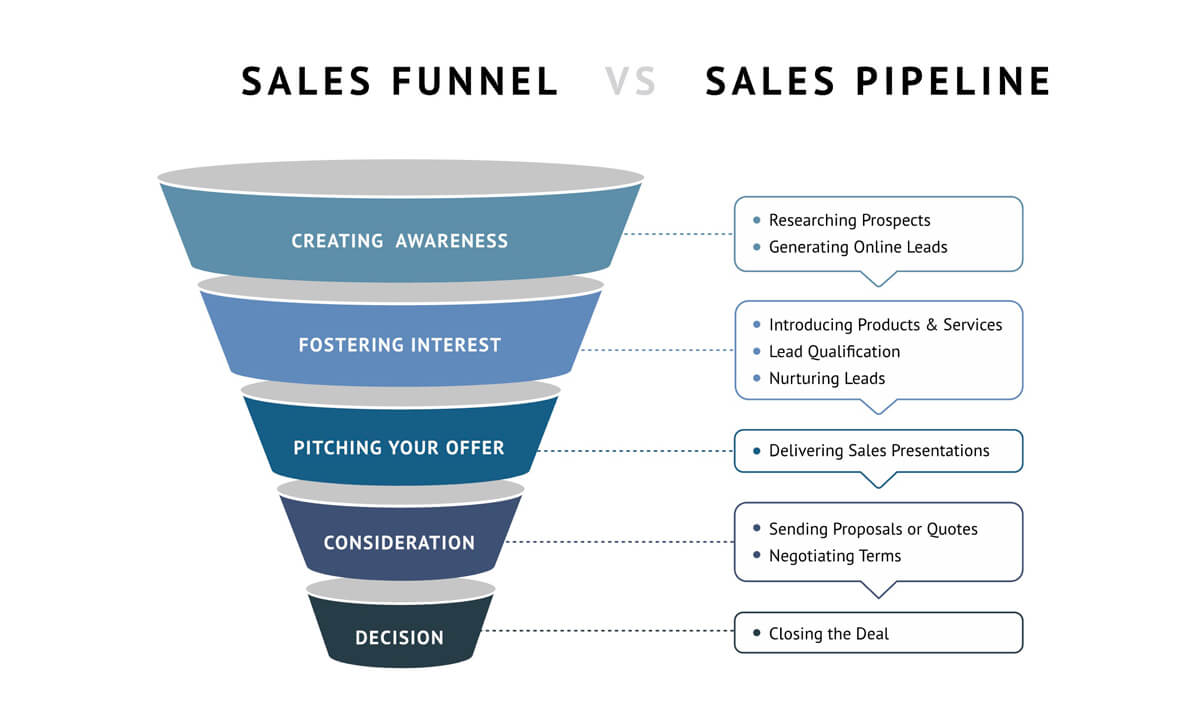
In short, the sales funnel helps understand a buyer’s journey and broad trends, while the sales pipeline helps your sales reps know what to do next. Use the funnel for audience insight and the pipeline for sales lead management and practical follow-up.
7 Key Stages in the Sales Pipeline and Their Importance
In this section, we’ll take you through the seven key stages in the sales pipeline. So, here you go.
1. Prospecting
Prospecting is the stage when you open the door to new business. You search for people who match your ideal customer and may be open to learning about your solution.
It is important because better prospects lead to better conversations and better close rates.
Sales reps should use simple research, referrals, and digital tools to find leads worth contacting. They should send short, value-focused messages that spark interest.
The aim is to identify who might need your help, not to pitch too early. Strong prospecting builds a healthy pipeline and sets the foundation for effective sales lead management.
2. Lead Qualification
Lead qualification is all about finding out if a lead has genuine buying potential. It is important because an unqualified pipeline creates false hope and weak sales forecasting.
When you handle this stage well, the later stages in the sales pipeline feel far more predictable.
Confirm the lead’s problem, assess fit, and understand who makes the final call. Even a short conversation can reveal whether the lead is serious.
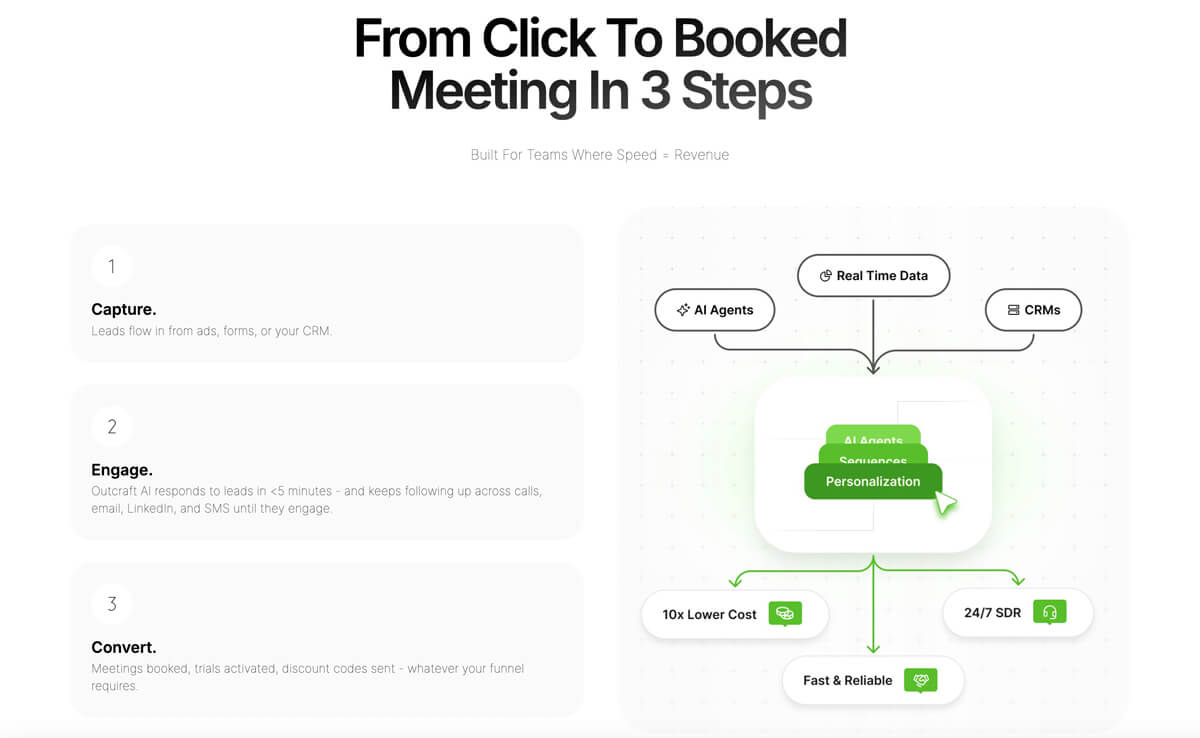
Use a tool like Outcraft AI to review engagement patterns and identify leads who deserve immediate attention. It helps engage prospects from the moment they show interest and helps book meetings to take things further.
3. Needs Assessment
In the needs assessment stage, your main job is to learn what the buyer wants to fix or improve. This step is important because it shows whether your product can truly help.
When you understand their needs well, your later recommendations feel more natural and convincing.
Ask simple discovery questions, explore daily challenges, and verify the impact of those problems. This is also a good time to understand their expectations.
Strong needs assessments reduce friction and make the remaining stages in the sales pipeline easier to navigate.
4. Proposal Development
Proposal development is the stage where you turn everything you learned into a clear, helpful plan for the buyer.
It is important because this is where you show exactly how your solution fits their needs. A good proposal will help you close a deal faster.
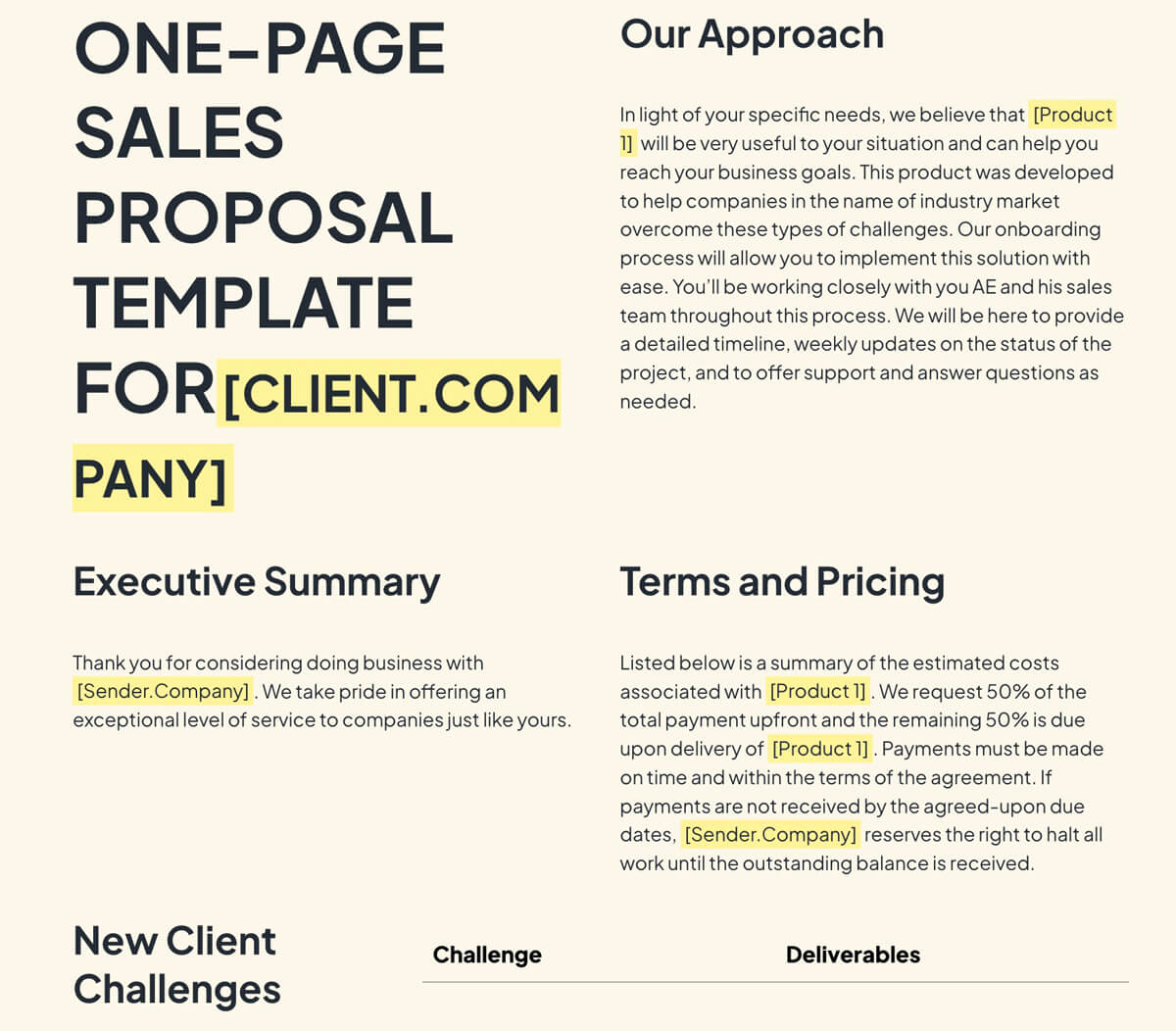
At this stage, you should highlight benefits, present a clear solution outline, and explain why this approach works. Also, include pricing, scope, and delivery timelines in a simple format.
You will find many free or paid templates online to develop a detailed sales proposal. Here’s one example.
5. Negotiation
At this stage, the buyer usually says, “I like it, but let’s talk.” That’s negotiation in simple words. They’re almost ready, but they want to close the tiny gap between “maybe” and “yes.”
This is one of the most important stages in the sales pipeline, as it will decide your future relationship with the client.
This is the stage where your team must be patient. They should not jump to defend every line in the proposal. Instead, they should ask questions, take notes, and look for a mutually-beneficial middle ground.
When the buyer feels heard, the tension drops. Once that happens, moving forward becomes much simpler.
6. Deal Closing
Closing is the stage where the buyer decides, “Alright, let’s do it.” They’re ready, but they may still need a gentle walk-through of what happens after they sign up. This stage matters because even small doubts can slow things down.
Your sales reps should recap the value, confirm the agreed terms, and guide the buyer through the sign-up or contract process.
When you keep the closing conversation warm and unhurried, buyers feel at ease. They mostly want reassurance, and a steady tone helps them trust their choice.
7. Post-Sale Follow-Up
Post-sale follow-up is the stage where you show the customer that they made the right call. The deal may be closed, but the relationship is just beginning.
This is another one of the important stages in the sales pipeline. It matters because early support often shapes the entire customer journey and experience.
Small gestures here go a long way. When the customer feels supported, they become more loyal and more confident. Strong follow-up also helps improve future stages in the sales pipeline because happy customers create a stronger reputation.
What is the Role of Sales Lead Management?
Good sales lead management creates smoother conversations and fewer surprises. It helps you move leads through the pipeline with intention instead of guesswork. It also makes it easier to forecast because you always know where each lead stands.
Effective Strategies for Lead Management
Some best practices you should follow include
- Qualifying leads early so you focus on real opportunities.
- Sending follow-ups that relate to the lead’s stage and past questions.
- Keeping your notes tidy and brief so the whole team can understand them.
- Reviewing your pipeline regularly to spot patterns or slow areas.
Tools for Tracking Leads
Useful tools for tracking leads include:
- CRMs for storing details, tasks, and timelines.
- Analytics tools that show lead activity and interest levels.
- Notification tools that alert you when leads revisit your site or emails.
- Simple scoring systems to keep priorities clear.
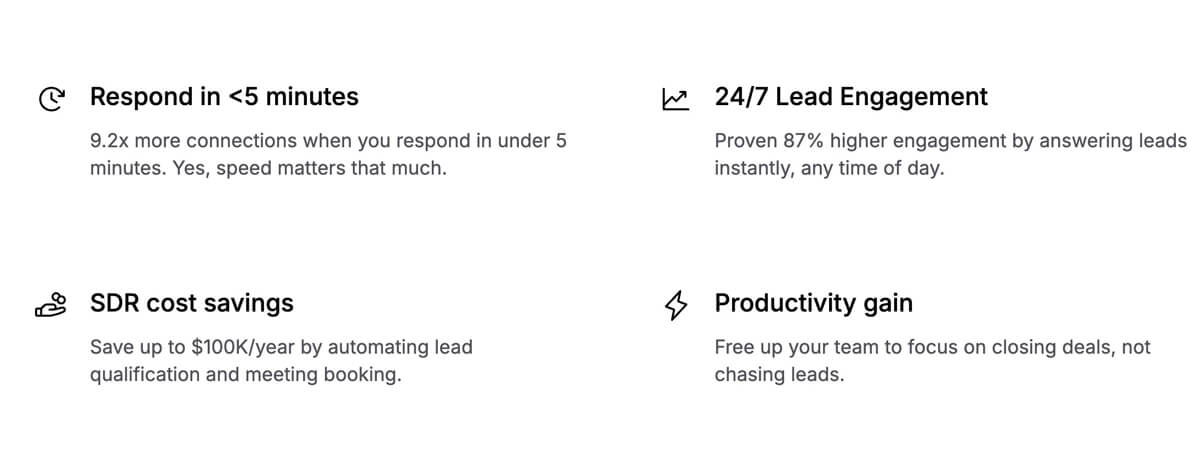
Lead qualification and nurturing tools like Outcraft AI also help. Here are some benefits it offers.
Sales Forecasting in Relation to Stages in the Sales Pipeline
Sales forecasting is only realistic when it ties to the real movement of prospects through the stages in the sales pipeline.
Look at where leads are, how fast they move, and what percent converts at each step. That gives you a forecast that matches reality.
How to Use Sales Data for Forecasting
Follow these tips:
- Track historical conversion rates by stage and apply them to current deals.
- Use a weighted pipeline: multiply the deal value by the stage probability to estimate the likely revenue.
- Consistently track changes to spot seasonal trends or market shifts.
Key Metrics for Assessing Pipeline Health
Here are some metrics you must track.
- Conversion rate for the various stages in the sales pipeline.
- Average deal value and sales velocity (days in each stage).
- Pipeline coverage ratio (how much pipeline value you have vs quota).
For good sales lead management, refresh these numbers weekly so your forecasts stay useful.
Ready to Build a High-Converting Sales Pipeline?
There you have it: the seven key stages in the sales pipeline. Now that you understand what happens at each stage, you can streamline your pipeline and sales process.
Use this post as your guide to building a strong pipeline that converts more leads into customers.
And, if you need help with the lead qualification and generation process, consider using Outcraft AI. It uses AI to respond to leads, qualify them, and schedule meetings to take the conversation further. Book a demo to learn about all that it offers,